

Debunking Misconceptions to Help You Start and Sustain a Journaling Practice
Myth #1: You Have to Write Every Day
Many people believe that journaling requires a daily commitment. This seems unreasonable; therefore, many people never start to journal. Journaling daily can lead to journaling burnout, so people quit.
Even occasional entries can be beneficial, and there are no strict rules about frequency. At points in my life, I have gone months without journaling. Life happens, we get busy, we forget – there are so many reasons that we cannot write in a journal. Just write when you wish to write and try not to give yourself made-up rules.
Myth #2: Journaling Is Only for Writers
Journaling isn’t reserved for professional writers or those with literary skills. We do not need to worry about how we journal, what we journal, or when we journal.
Anyone can benefit from putting thoughts and feelings on paper, regardless of writing ability. Sometimes, I do not even use complete sentences when I journal. I may draw what I am thinking or make models or squiggles on the page. Write what is on your mind. Write what will help you at that time. Journaling should be a joy and not a place for perfection.
Myth #3: You Must Follow a Specific Format
There’s no one “right” way to journal. Some people prefer bullet points, sketches, or lists instead of long-form writing. The format can be whatever feels comfortable.
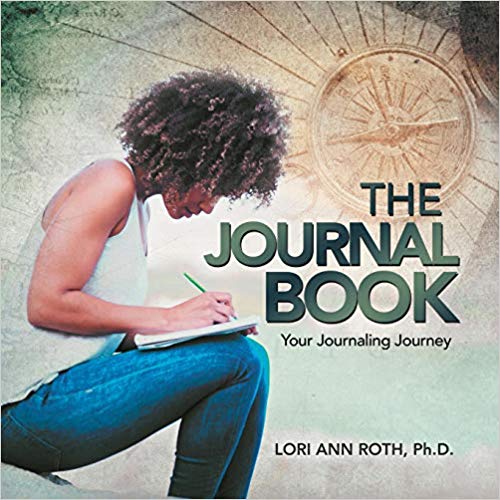
There are also many types of journals. See my book The Journal Book: Your Journaling Journey. You will read about over 20 different types of journals, and there are so many more types. Do it YOUR way!
Myth #4: Journals Should Be Neat and Organized
Journals don’t need to be tidy or aesthetically pleasing. Messy handwriting and scattered thoughts are perfectly acceptable—the point is self-expression, not perfection.
Now, I am laughing. My penmanship is horrible. At times, I write just to get the stuff out of my head. I write what I am thinking (which may or may not make sense) or feeling (when I am emotional, the writing is worse). Your Journal is YOUR Journal. Do whatever you like to make you feel better.
An exception to this may be a bullet journal. I’ve seen a lot of very neat bullet journals. The main idea for a bullet journal is to slow you down and be neat, thoughtful, and intentional.
Myth #5: Journaling Is Only for Negative Emotions
While journals can help process difficult feelings. Many people love to write just to get the negative feelings onto the page and out of their heads. Journaling is great for getting what is in our thoughts/feelings out of us and into the journal. It also works when we go to bed at night. Get all of your thoughts in your journal so you won’t think about them all night long. This is great for those of us who have monkey brain and insomnia.
Journals are also a space for gratitude, joy, achievements, and positive reflections. I have a gratitude journal that I absolutely love to write in about 5 days a week. This journal makes me happy, and I appreciate the big and small things in my life. Later, I can look back when I am depressed and see what I had to be grateful for.
Myth #6: You Need Lots of Free Time to Journal
Deciding that we need at least 30 minutes or more to journal is another made-up rule. Any time is a good time if you feel the need to journal.
I have 4 journals that I use approximately four times per week. One would think it would take a lot of time, however, even a few minutes a week can make a difference. Journaling doesn’t have to be time-consuming; brief entries are valuable too.
I may pull out my journal and write a very short entry just to either get it out of my head or to remember later. There is no set time to use a journal.
Myth #7: Journaling Is Just a Teenage Hobby
Although many teens keep diaries, journaling is a powerful tool for adults of all ages, helping with stress, organization, and personal growth.
Many businesspeople journal during meetings, at the end of the day, or for brainstorming ideas to help in the future. Journaling also helps people reflect and plan their careers. People of all ages journal and have been journaling for ages.
Myth #8: You Must Have Deep Insights Every Entry
Not every journal entry needs to be profound. Some people think that if it is not important, I should not write it down.
One of the things that should be written down are the deep insights of future goals. There is research that shows if you write down your goals, you will have a better chance to achieve the goals.
Everyday observations, small wins, and even mundane details can be meaningful. At one point in my life, I witnessed a woman who fell in the ladies’ room at a conference I attended. I needed to call 911 because she could not stand. I wrote about this event in great detail because it was such an odd occurrence. Later, the woman called me and asked if I remembered and if I could testify in her lawsuit against the location. They used my journal entry, and I did not have to remember the event that had happened over a month earlier.
Myth #9: Someone Will Read Your Journal
Journals are private unless you choose to share them. Most people keep their journals confidential, meaning you can write freely without fear of judgment.
I have a few journals with little padlocks because I did not want anyone to read them at that time. There are also journals with combination locks. If the location you keep your journals is not safe from curious eyes, these types of journals could be considered.
Myth #10: Journaling Is a Waste of Time
Yes, journaling does take some time. You need to get a journal and write in it or log into an online device. Journaling is not a multi-tasking experience.
Many studies show that journaling can improve mental health, boost creativity, and enhance problem-solving. It’s a productive way to reflect and grow. There are so many benefits to journaling. If you go to www.larg.comyou can sign up for my blog and get the white paper “The Benefits of Journaling” for free!
Joyful Journaling
Journaling should be a joy. It should be relaxing and beneficial. Try not to impose your rules on your journaling practice. Enjoy the process and the experience.
Please let me know if you have heard of other myths that need to be busted!
#journaling #myths #growth #goals #learning


Hi Dr. Lori! What a good thing to read first thing in the morning. I needed the reminder that journaling is beneficial even if you do not do it every day. I think this idea that I have to journal every day has held me back from starting again. I think I’ll get started today!!
Yes, I try to give myself grace. Recently, I didn’t write for almost 3 weeks. I have been working on that SHRM project. When I went to the beach recently, I wrote for about 20 minutes. Thanks for that reply.