Have you ever looked at a member of your team—or even looked in the mirror—and felt like there was a "hidden gear" just waiting to be shifted? In the world of business, we often spend our time measuring what is: KPIs, quarterly results, and current competencies. But the most exciting part of leadership isn't just managing what’s happening now; it’s identifying and nurturing potential.
To me, potential isn't a nebulous "maybe." It is the raw material of future success. It's my "not yet". It’s the gap between where someone stands today and where they could be with the right environment, the right tools, and a little bit of reflective space. And I love a great gap analysis for goal setting!
What Does Potential Actually Look Like?
It’s not just a "gut feeling." In my experience, high potential usually reveals itself through three specific traits that aren't always on a resume:
- Curiosity over Certainty: The people with the most growth potential aren't the ones with all the answers. They’re the ones asking the "What if?" and "Why do we do it this way?" questions.
- Coachability: Potential is found in the ability to take a piece of feedback—even the stinging kind—and turn it into a strategy.
- Social Intelligence: In today’s world, you can be a technical genius, but your ceiling is determined by how well you work with others. Potential often looks like empathy and the ability to influence without authority.
The Power of the "Reflective Pause"
One of my favorite ways to help professionals unlock their own potential—or help their teams do the same—is through reflective growth. We get so caught up in the "doing" that we forget the "becoming."
If you’re feeling stuck, try a quick journaling exercise (you know I can’t resist a good journaling prompt!). Ask yourself:
“What is one skill I’ve noticed in others that I feel a natural pull toward, even if I haven’t mastered it yet?”
That "pull" is often your potential knocking on the door. Acknowledging it is the first step toward intentional development. Then reflect on that "pull" and create an action plan. Just DO the first thing to move you forward.
Cultivating a "Potential-First" Culture
Throughout my many years in learning and development, I’ve seen that thriving organizations treat potential as a renewable resource. They don't just hire for the job description; they hire for the future. What is this person capable of doing?
Working for Colleges and Universities has allowed me to be around people filled with dreams and potential. Working towards a degree is knowing you have that potential. As a coach, I try to have each person see their own potential and journal about it.
As leaders, our job is to create a "Safe Zone" where people feel comfortable stretching. Having that psychological safety allows us to dare a bit more. When we focus on potential, we aren't just building better employees; we’re building more resilient, adaptable humans.
Final Thoughts
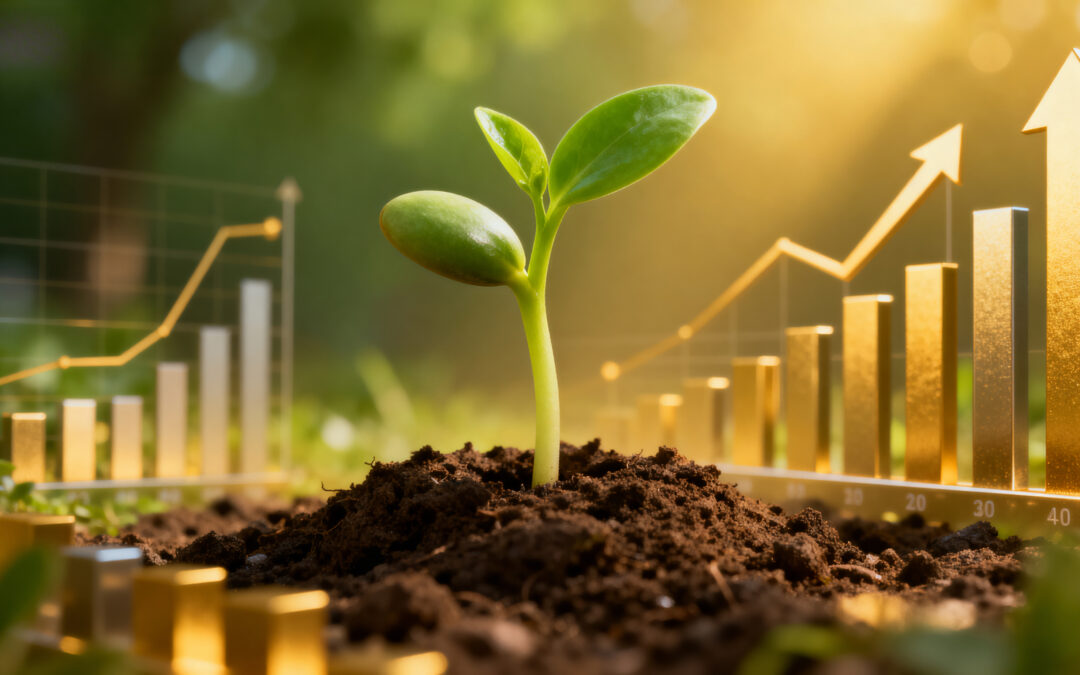
Potential is like a seed—it has everything it needs to become a tree, but it requires the right soil and a little bit of water.
I want to challenge you this week to look at your "to-do" list and ask: Which of these tasks is helping me grow, and which is just keeping me busy? Let's stop settling for just being "good enough" at what we already know. This week, I learned more about podcasting (software) from my Mentee, Amanda. What will YOU do this week to challenge yourself?
#Potential #Leadership #Growth #Learning #ComfortZone